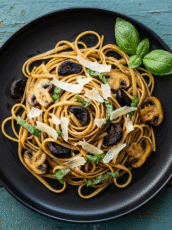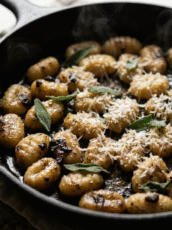
If you’ve never made black garlic linguine before, this recipe is the perfect place to start. This dish takes one unusual, deeply savory ingredient black garlic and turns it into a silky, restaurant-worthy pasta sauce in about 25 minutes. No long ingredient list, no complicated technique, just big flavor from a handful of pantry staples.
Summary
Black garlic linguine leans into black garlic’s natural sweetness and umami depth, balanced with good olive oil or butter, a splash of pasta water, and a finish of Parmesan. The result is a sauce that clings to every strand of linguine without needing cream, though you can make your black garlic linguine richer if you like (more on that below). If you want to understand the ingredient itself before you start cooking, our guide to what is black garlic covers exactly how it’s made and why it tastes so different from regular garlic.
What Is Black Garlic?
Black garlic starts as ordinary garlic, but it doesn’t stay that way for long and it’s the reason this black garlic linguine recipe tastes so different from a standard garlic pasta. Through a slow aging and fermentation process, the cloves transform completely in both color and character.
How It’s Made
Whole heads of garlic are held at a controlled warm temperature and high humidity for several weeks. During that time, the Maillard reaction the same browning reaction responsible for seared steak and toasted bread slowly converts the garlic’s natural sugars and amino acids. The cloves darken to a deep black, soften to an almost jammy texture, and lose the sharp bite of raw garlic entirely.
What Does Black Garlic Taste Like?
Where raw garlic is pungent and sharp, black garlic is mellow, sweet, and syrupy, with notes people often compare to balsamic vinegar, molasses, tamarind, or dried fruit. There’s still a savory, umami backbone, but none of the harshness which is exactly what makes black garlic linguine so good: the garlic mashes into something closer to a paste than a chopped aromatic.
Why Black Garlic Works So Well in Linguine
Because black garlic is already soft and jammy, it mashes easily into a paste with a fork or the flat of a knife, and it melts into hot olive oil or butter almost like a condiment. That’s part of what makes black garlic linguine so forgiving for a weeknight there’s no risk of burning garlic and turning it bitter, a common problem with fresh garlic in a hot pan. Black garlic’s natural sweetness also means the sauce needs very little added sugar or acid to feel balanced; a squeeze of lemon and some starchy pasta water usually do the job.
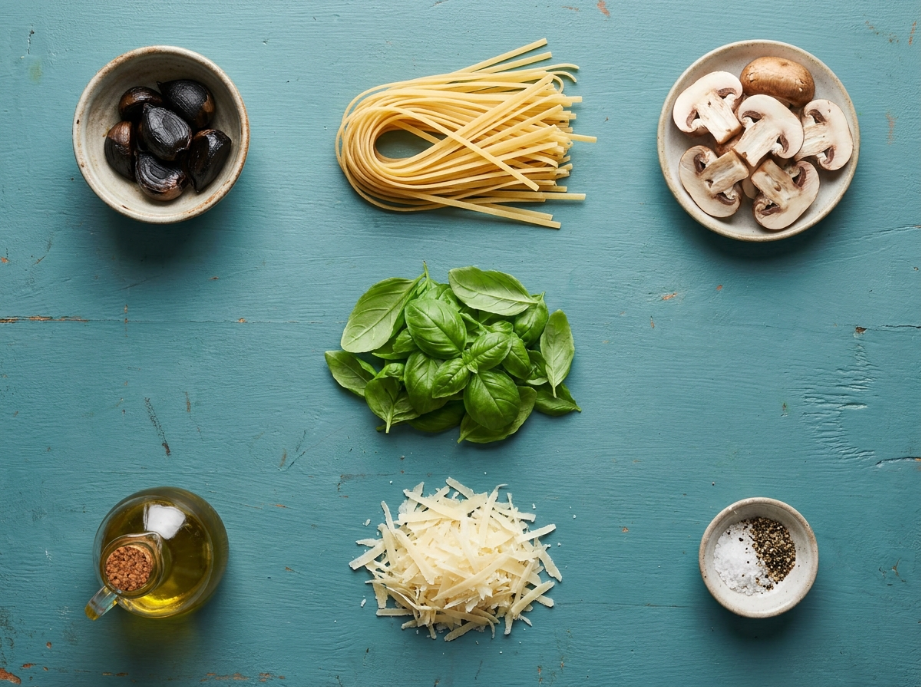
Ingredients for Black Garlic Linguine
- Linguine
- Black garlic cloves (peeled)
- Good olive oil or butter (or a mix of both)
- Reserved pasta cooking water
- Parmesan cheese, finely grated
- Fresh basil or parsley
- Salt and freshly cracked black pepper
- Optional: red pepper flakes, toasted breadcrumbs, or a splash of cream for a richer black garlic linguine
How to Make Black Garlic Linguine
Step-by-Step Instructions
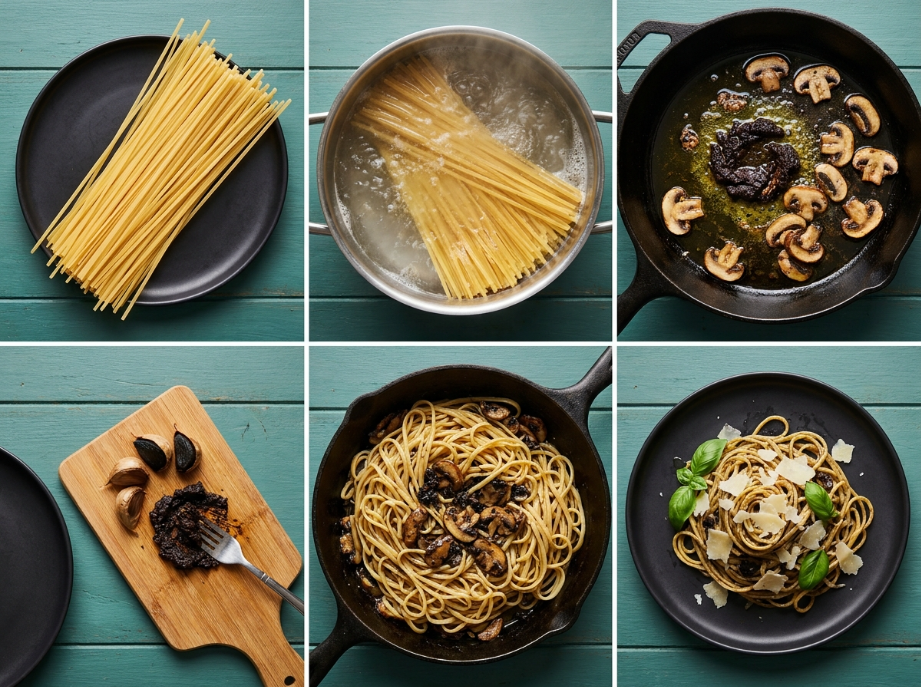
- Bring a large pot of well-salted water to a boil and cook the linguine until just al dente, reserving about a cup of the starchy pasta water before draining.
- While the pasta cooks, mash the black garlic cloves with a fork or the side of a knife until they form a smooth, jam-like paste.
- Warm the olive oil or butter in a wide skillet over medium-low heat, then stir in the mashed black garlic paste until it loosens and coats the pan.
- Add the drained linguine directly to the skillet along with a splash of the reserved pasta water, tossing constantly so the starch helps the black garlic sauce cling to the noodles.
- Continue adding pasta water a little at a time until the sauce turns glossy and coats the pasta evenly it should look silky, not watery or dry.
- Remove from the heat, stir in the grated Parmesan, and toss again until melted and creamy.
- Season with salt and pepper to taste, then finish with fresh basil or parsley and an extra grind of black pepper before serving your black garlic linguine immediately.
Tips for the Best Black Garlic Linguine
- Don’t skip the pasta water. Its starch is what turns melted butter or oil and mashed garlic into an actual clinging sauce rather than a puddle at the bottom of the bowl.
- Keep the heat gentle. Black garlic paste doesn’t need aggressive cooking you’re warming and loosening it, not browning it.
- Taste before adding salt. Parmesan and black garlic both bring saltiness, so season your black garlic linguine at the end rather than the start.
- Use good olive oil. With so few ingredients, the quality of your fat really shows.
Variations on Black Garlic Linguine
- Creamy version: Stir in a splash of heavy cream or a spoonful of mascarpone along with the Parmesan for an extra-rich, velvety black garlic linguine.
- Spicy version: Add red pepper flakes or fried chili to the oil before mixing in the black garlic paste.
- Mushroom black garlic linguine: Sauté sliced mushrooms in the same pan before adding the garlic paste for extra earthiness.
- Seafood version: Toss in sautéed shrimp or seared scallops just before serving for a heartier main.
- Nutty finish: Top with toasted pine nuts or walnuts for crunch and contrast against the soft sauce.
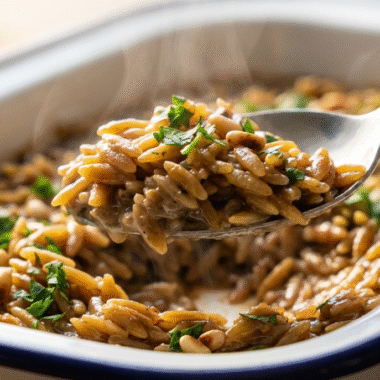
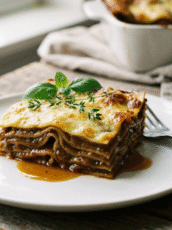
If you enjoy this dish, black garlic works beautifully across all kinds of pasta shapes. Try it in black garlic spaghetti, black garlic penne, or black garlic fettuccine for a similar sauce on a different shape. For something heartier, black garlic ravioli and black garlic gnocchi bring the same flavor to filled and pillowy pastas, while black garlic lasagna and black garlic orzo turn the same ingredient into a baked casserole or a quick, small-format pasta.
What to Serve With Black Garlic Linguine
This pasta is rich enough to be the star of the plate, so keep sides simple: a peppery arugula salad with lemon vinaigrette, garlic bread or crusty sourdough for mopping up sauce, or roasted vegetables like broccolini or asparagus. A crisp white wine, like a Sauvignon Blanc or unoaked Chardonnay, complements the sweetness of black garlic linguine nicely.
Storage and Reheating
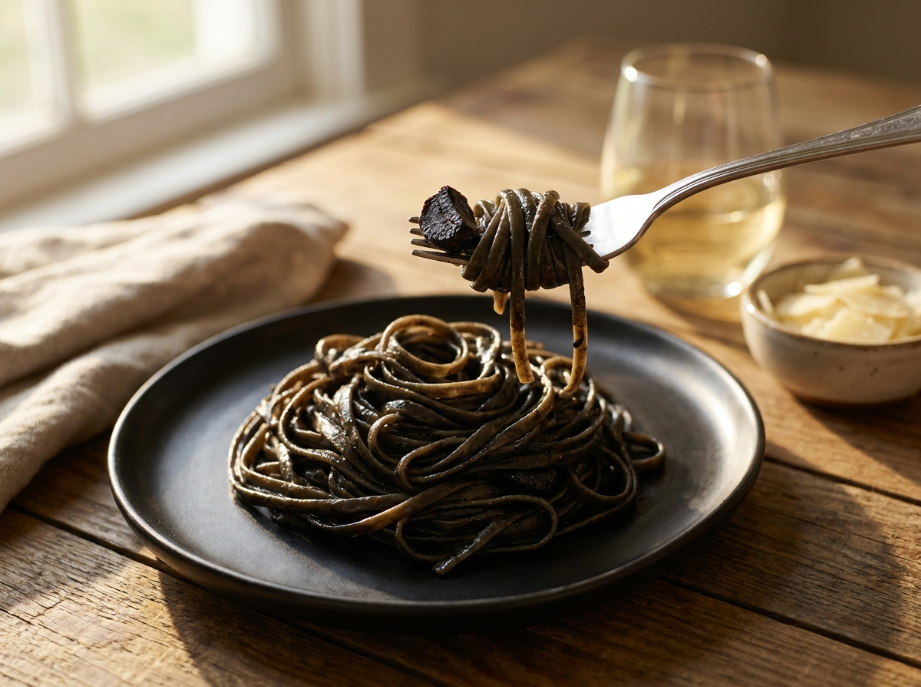
Store leftover black garlic linguine in an airtight container in the refrigerator for up to 3 days. To reheat, warm gently in a skillet over low heat with a splash of water or milk to loosen the sauce back up microwaving tends to make the pasta gummy and can dry out the sauce.
Frequently Asked Questions
Where do I buy black garlic?
Black garlic is increasingly available at well-stocked grocery stores, specialty food shops, and Asian markets, either as whole peeled heads, individual cloves, or pre-made pastes. It’s also widely available online if your local stores don’t carry it.
How do I make the sauce?
Mash the black garlic cloves into a smooth paste, then warm it in olive oil or butter until it loosens. Toss in the hot, drained pasta with a splash of starchy pasta water, adding more water gradually until the sauce turns glossy and coats the noodles, then finish with grated Parmesan.
Can I substitute regular garlic?
Not really the flavor of black garlic is very different from regular garlic. If black garlic isn’t available, sautéed fresh garlic can stand in, but expect a sharper, more pungent dish rather than the sweet, mellow flavor black garlic delivers.
What does black garlic taste like?
It’s sweet and savory rather than sharp, with flavor notes often described as similar to balsamic vinegar, molasses, or dried fruit, plus a deep umami quality nothing like the pungent bite of raw garlic.
Loved this black garlic linguine? Follow us on Pinterest for more recipes like this, plus new pasta ideas as we post them.
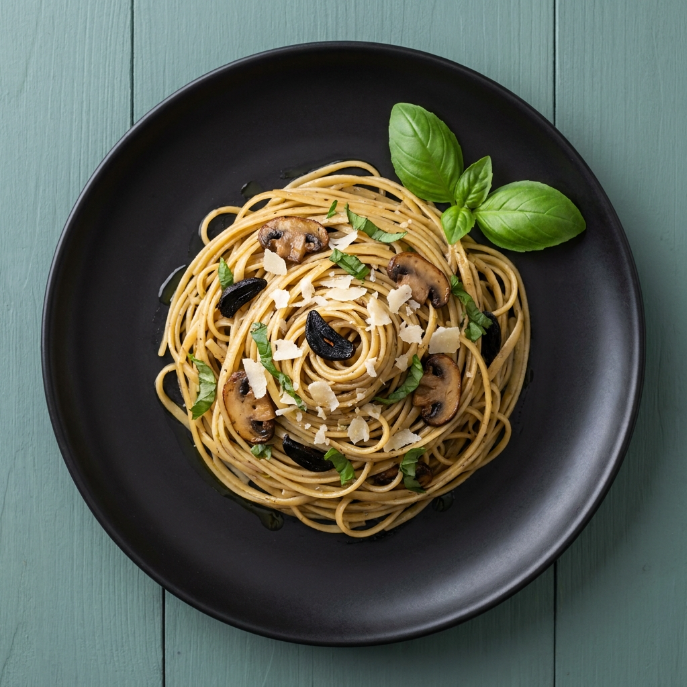

Black Garlic Linguine
Ingredients
Equipment
Method
- Bring a large pot of well-salted water to a boil and cook the linguine until just al dente. Reserve about 1 cup of pasta water, then drain.
- While the pasta cooks, mash the black garlic cloves with a fork or the side of a knife until smooth and paste-like.
- Warm the olive oil (or butter) in a wide skillet over medium-low heat. Stir in the mashed black garlic until it loosens and coats the pan.
- Add the drained linguine to the skillet along with a splash of reserved pasta water, tossing to combine.
- Continue adding pasta water a little at a time, tossing constantly, until the sauce turns glossy and coats the noodles evenly.
- Remove from heat and stir in the grated Parmesan until melted and creamy.
- Season with salt and pepper to taste, then finish with fresh basil or parsley before serving immediately.